
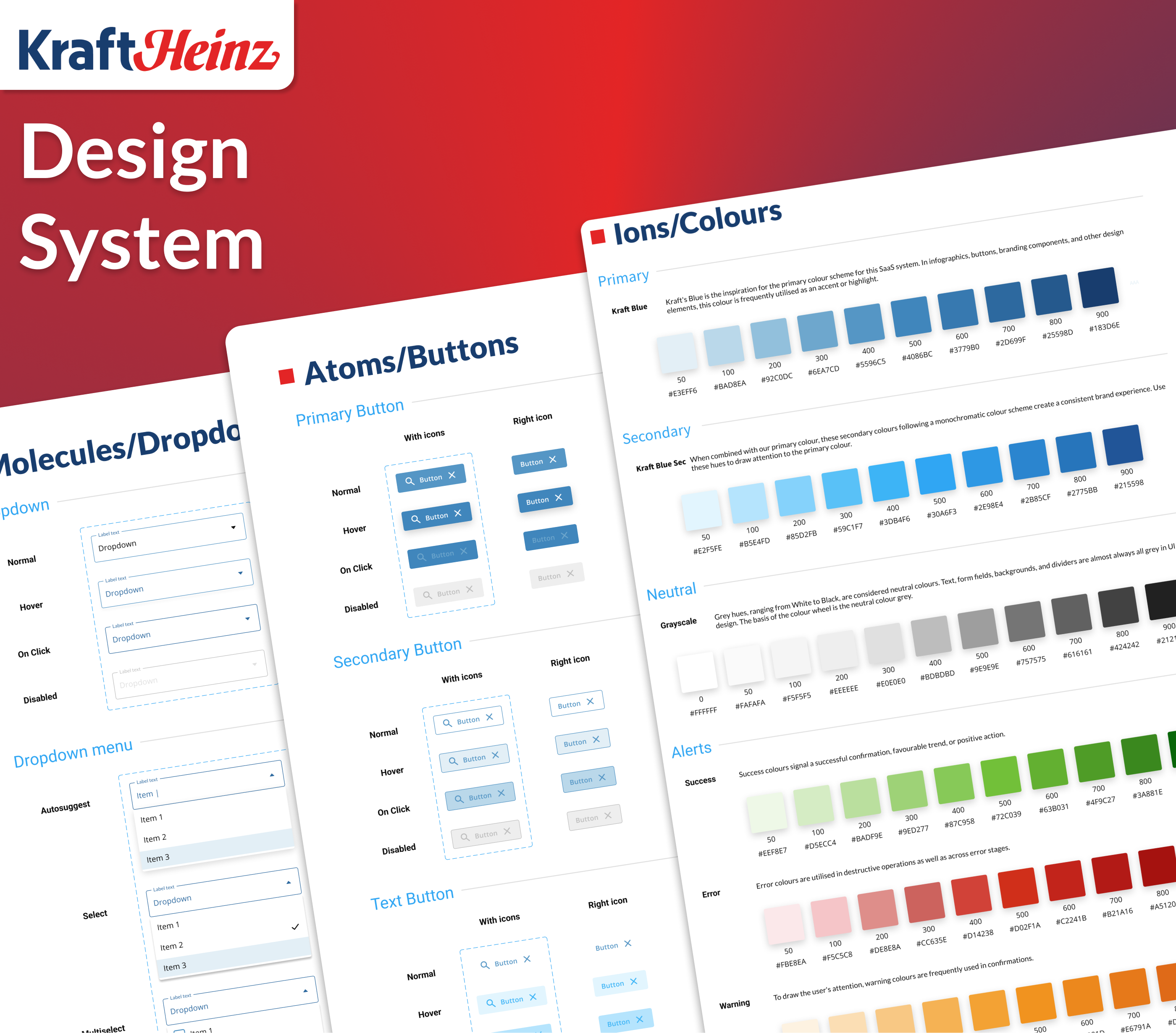

Kraft Heinz faced difficulties as a result of inconsistent design systems in their project management and staff sub-modules, which led to inconsistent visual design and inefficient operations. Decreased user involvement and increased development expenses resulted from this lack of standardisation.
The lack of consistent design patterns deterred employees from using the software to its full potential, impacting productivity and the organization's ability to effectively manage projects.
With no standardized components and styles, Kraft Heinz's development teams faced the challenge of recreating similar elements for each module. This redundancy in design and development efforts led to inefficiencies and increased development costs.
Each new module developed independently without adherence to a common design system struggled to seamlessly integrate with existing modules, resulting in data silos and suboptimal user experiences.
In this first stage of setting up a design system, the goals of the project were defined to set the foundation for all the modules of the application. Regular feedback loops and data-driven insights played a crucial role in refining and validating design decisions, ensuring the final components met both user needs and business objectives.
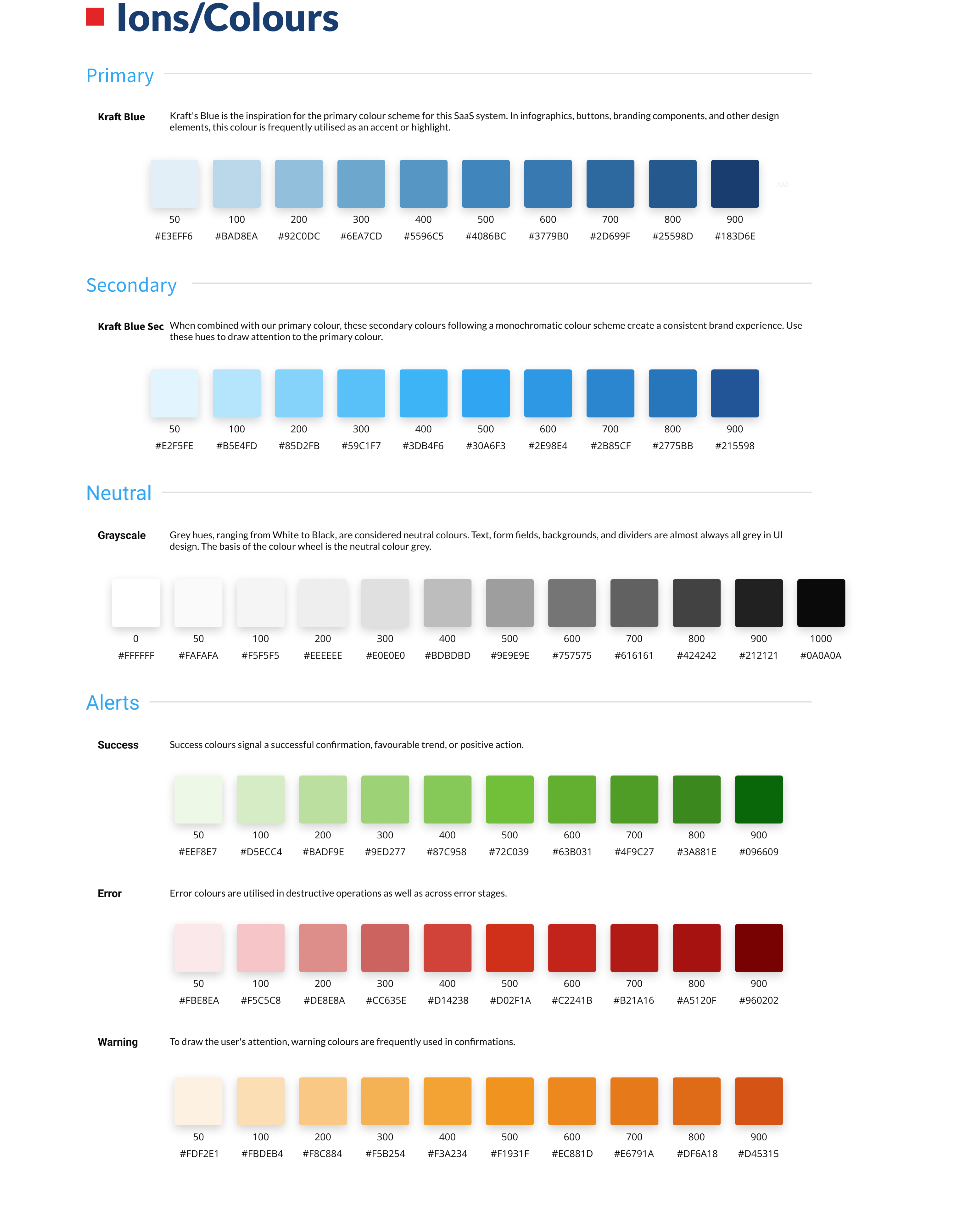
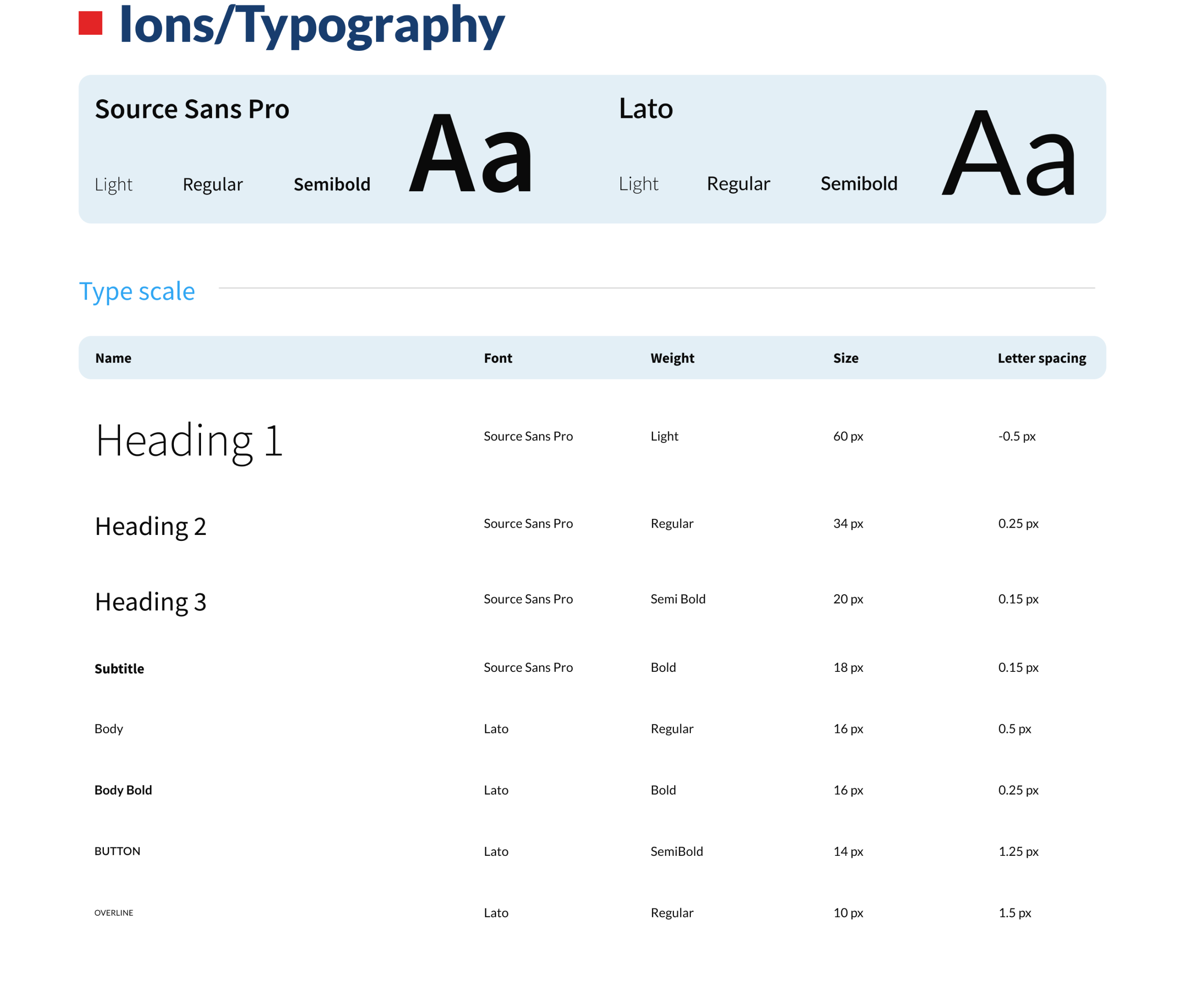
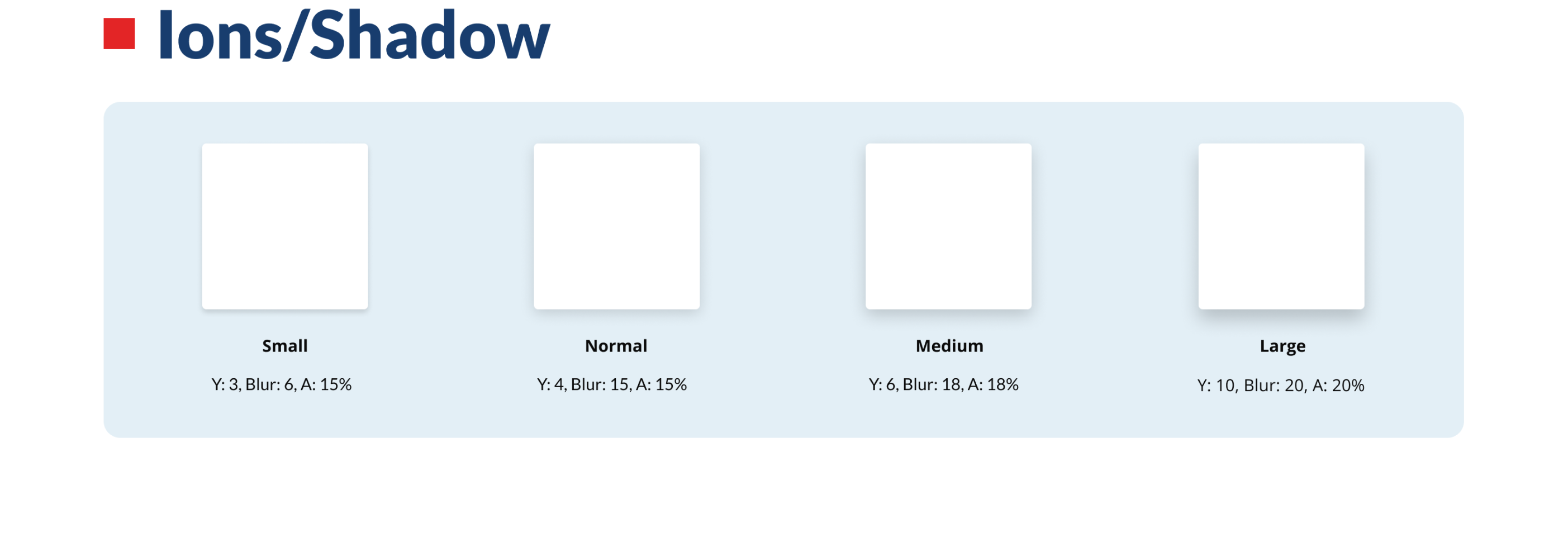
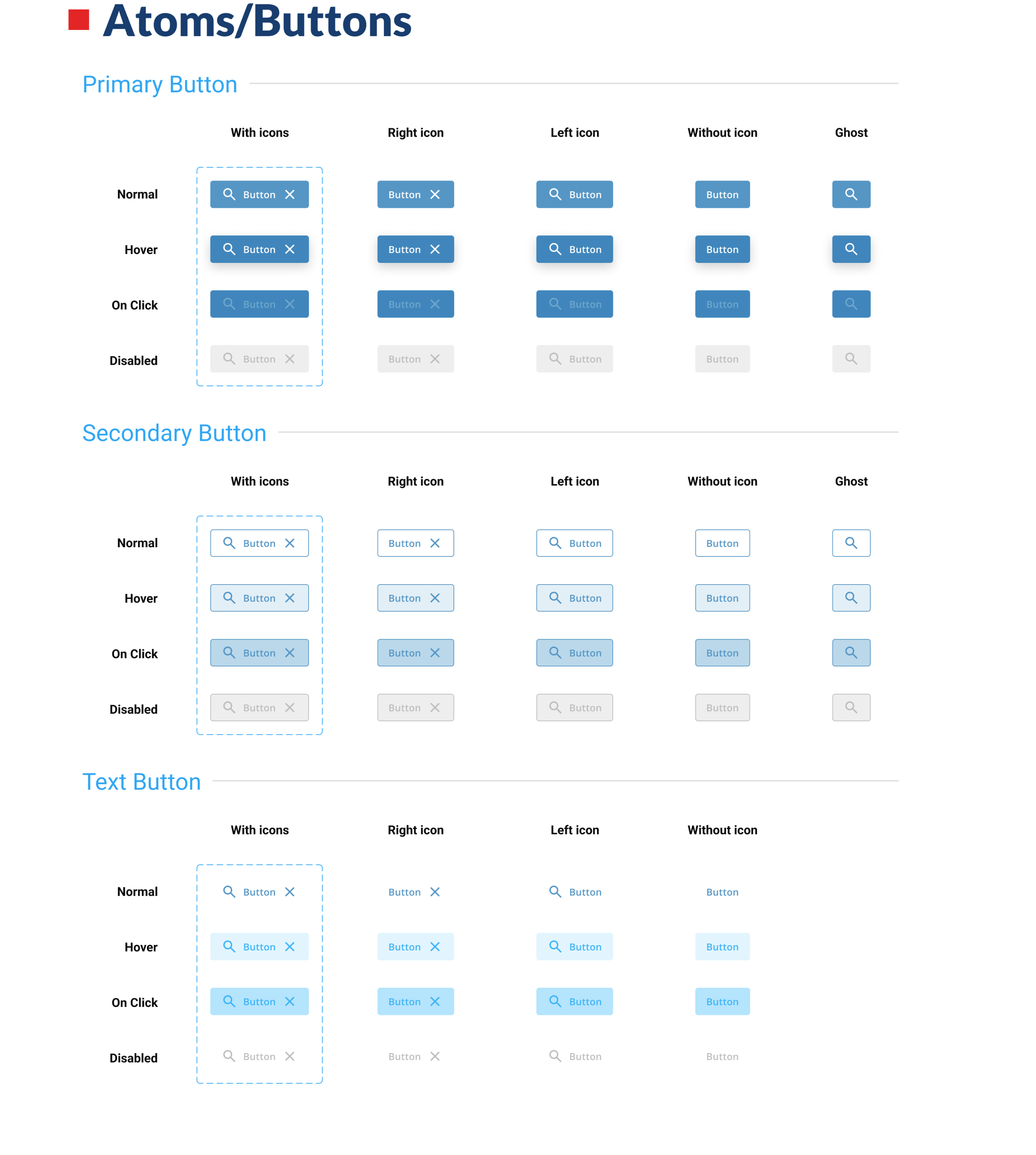
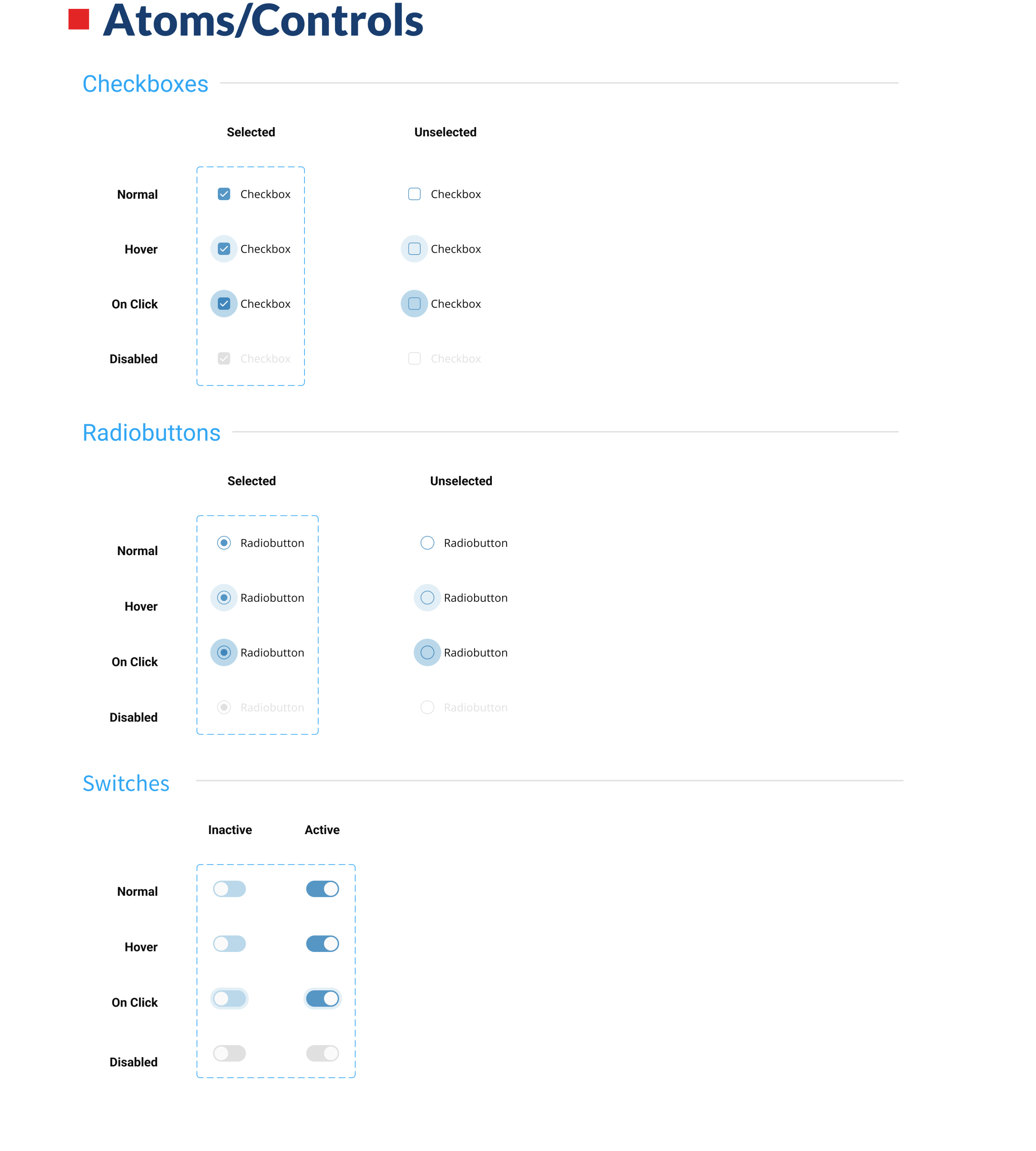
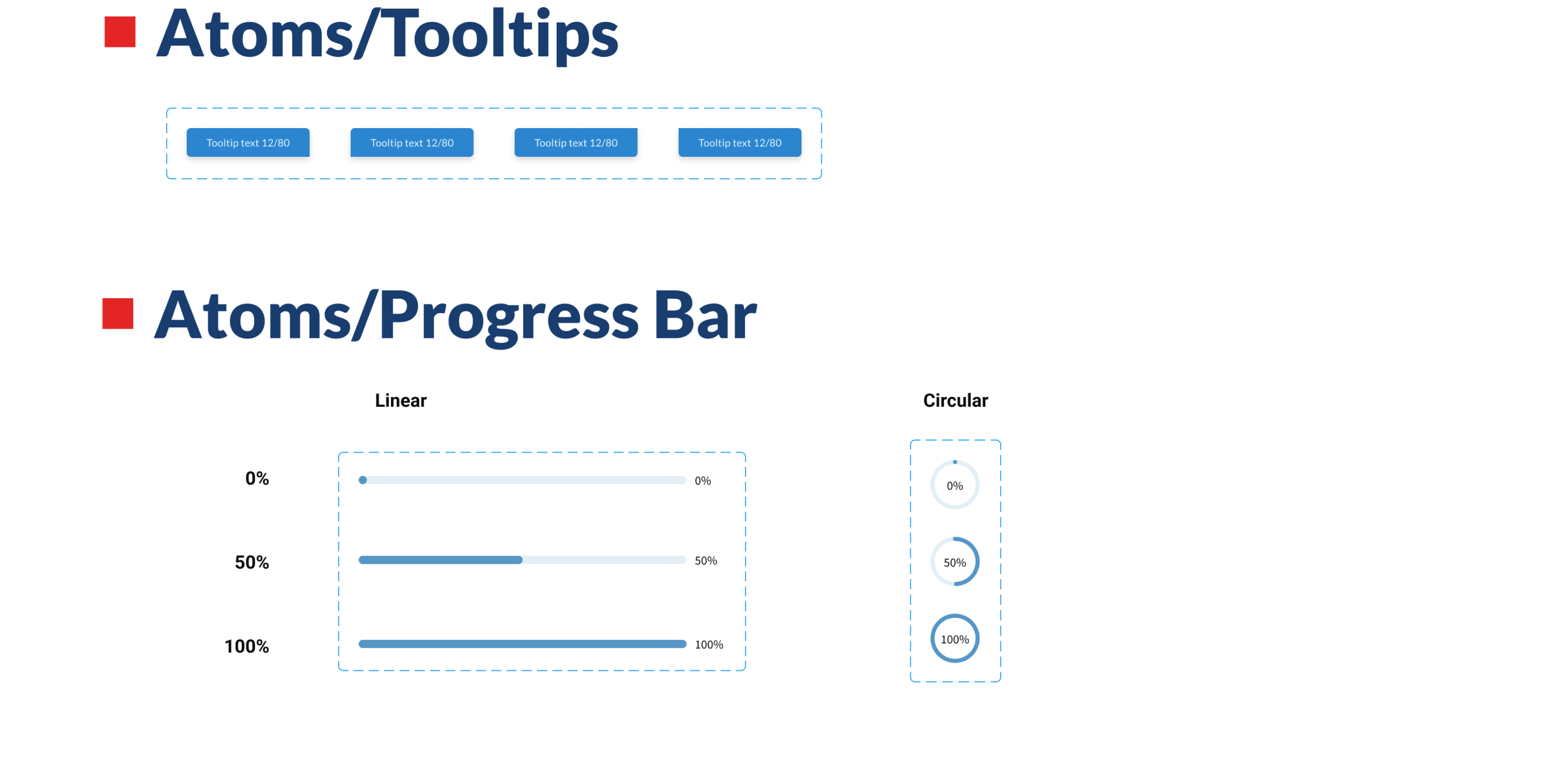
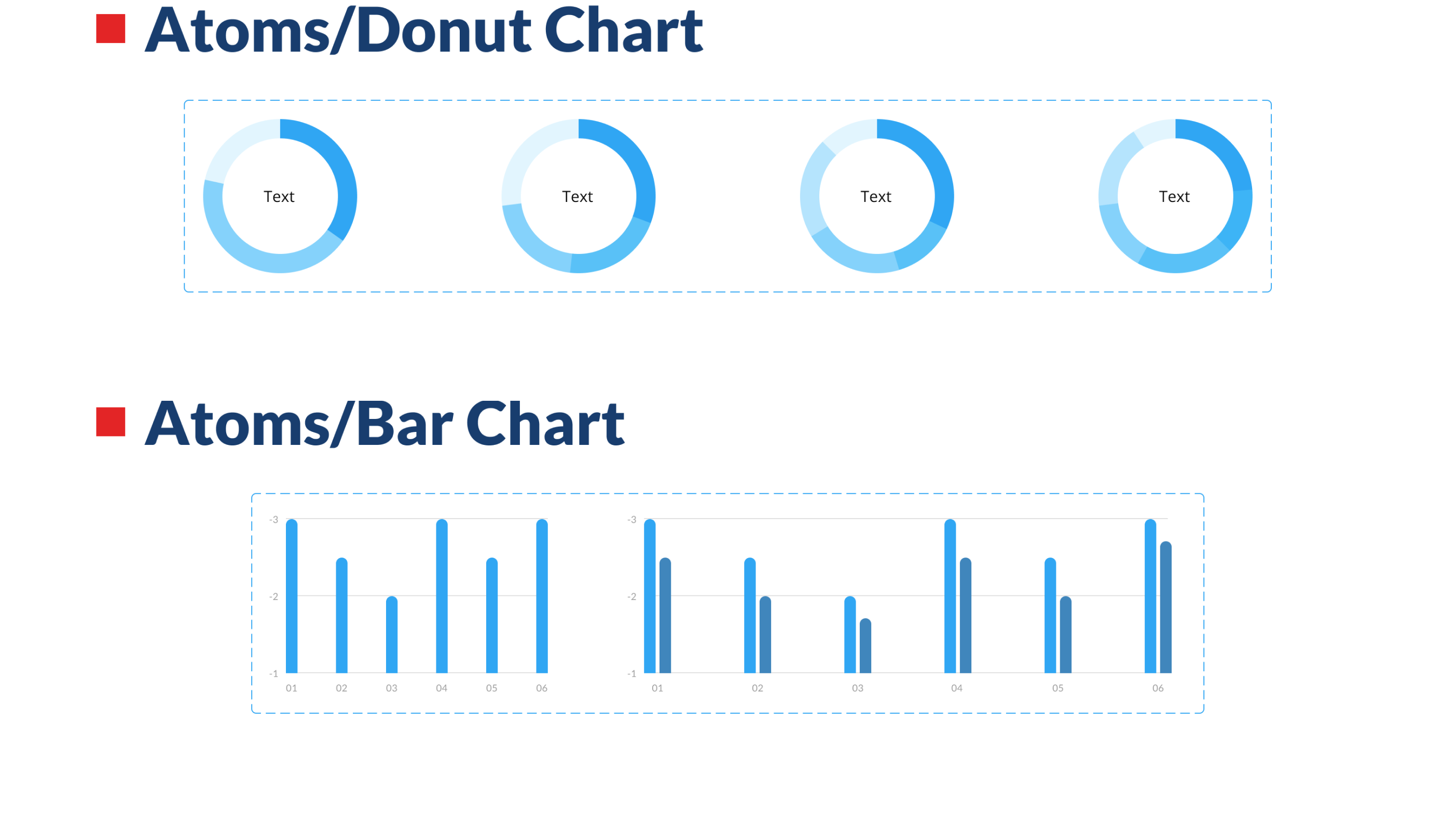
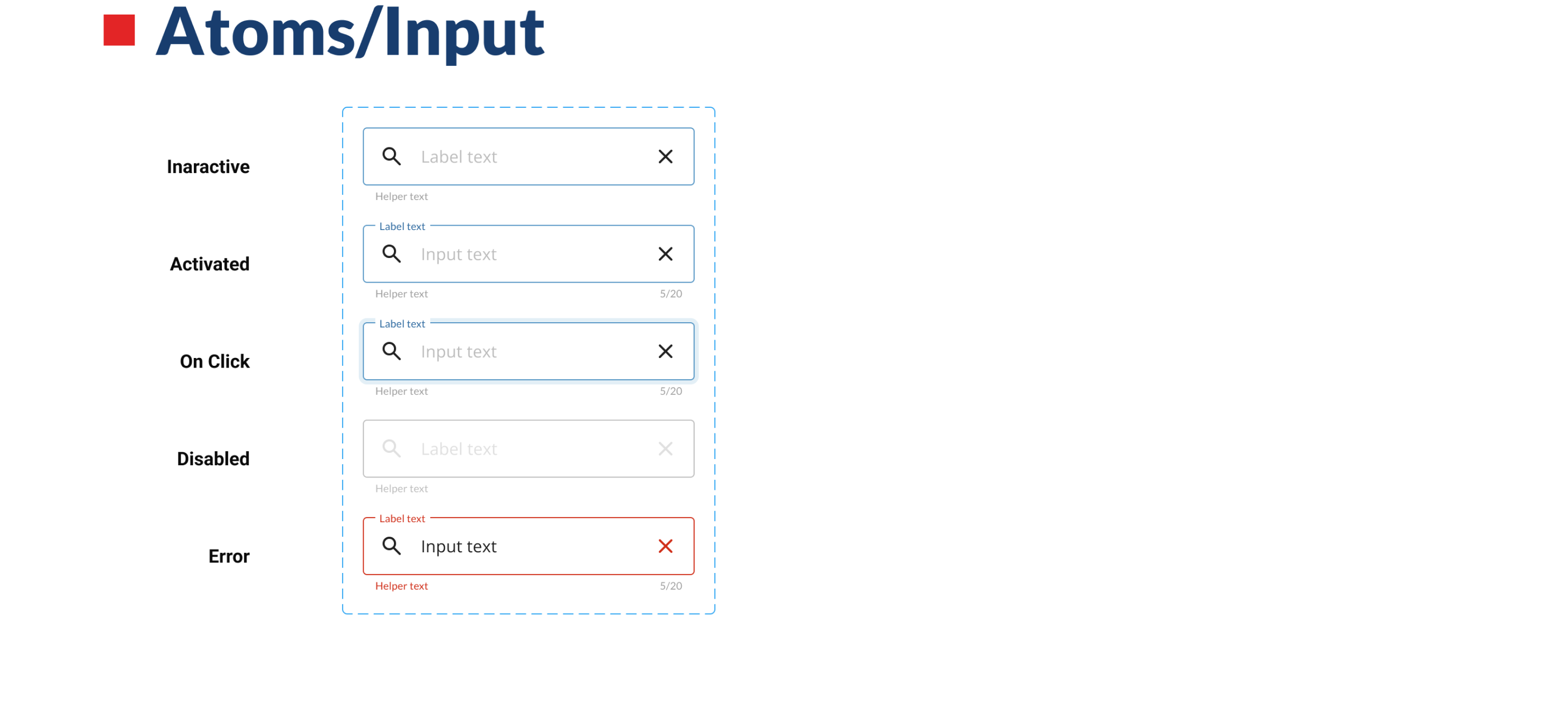
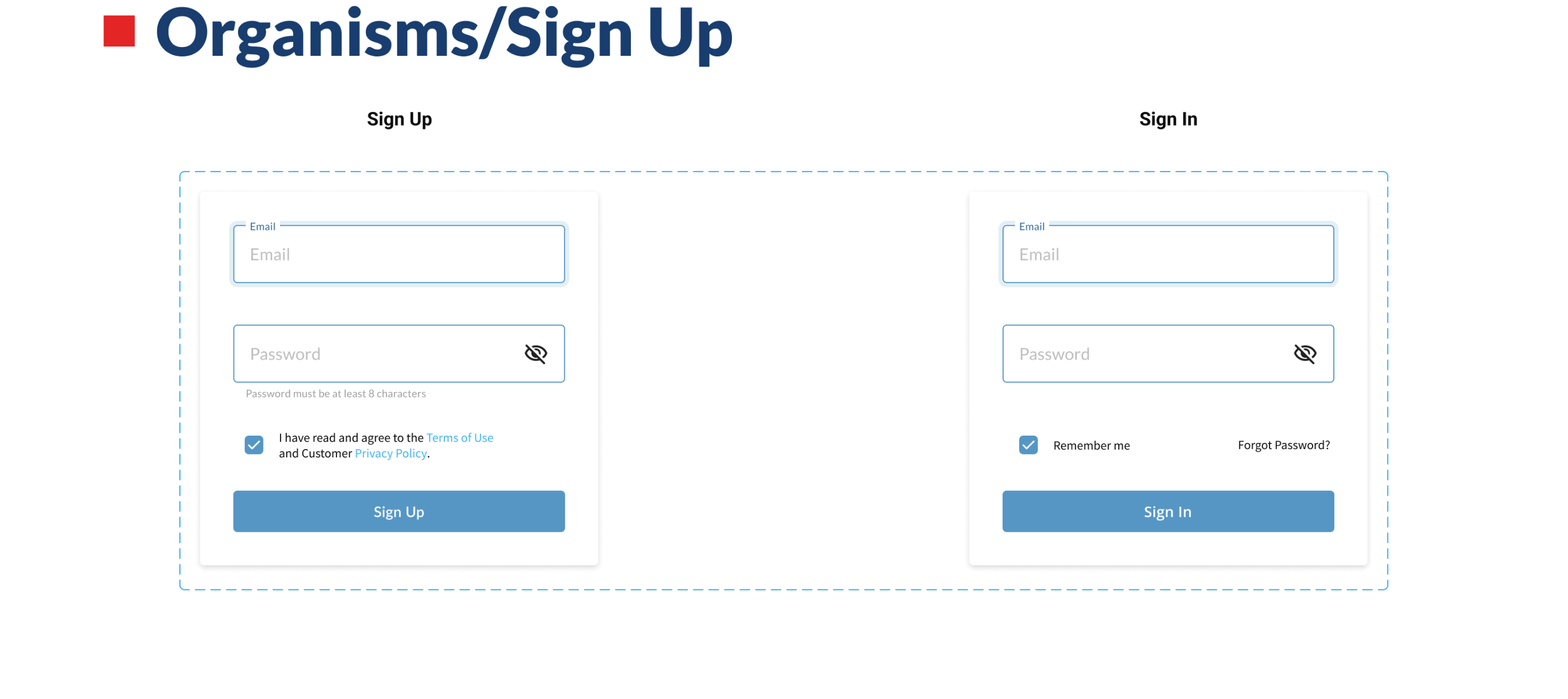
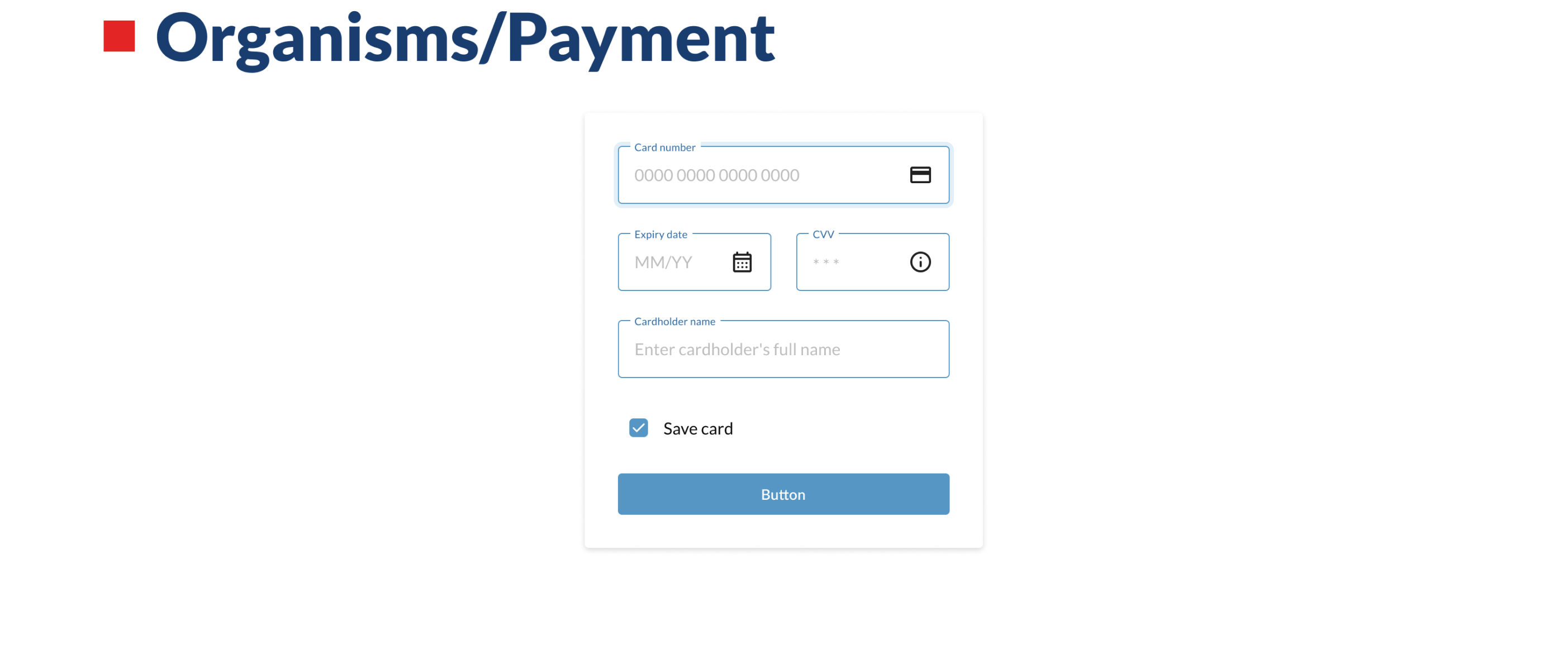
Fig: Design System
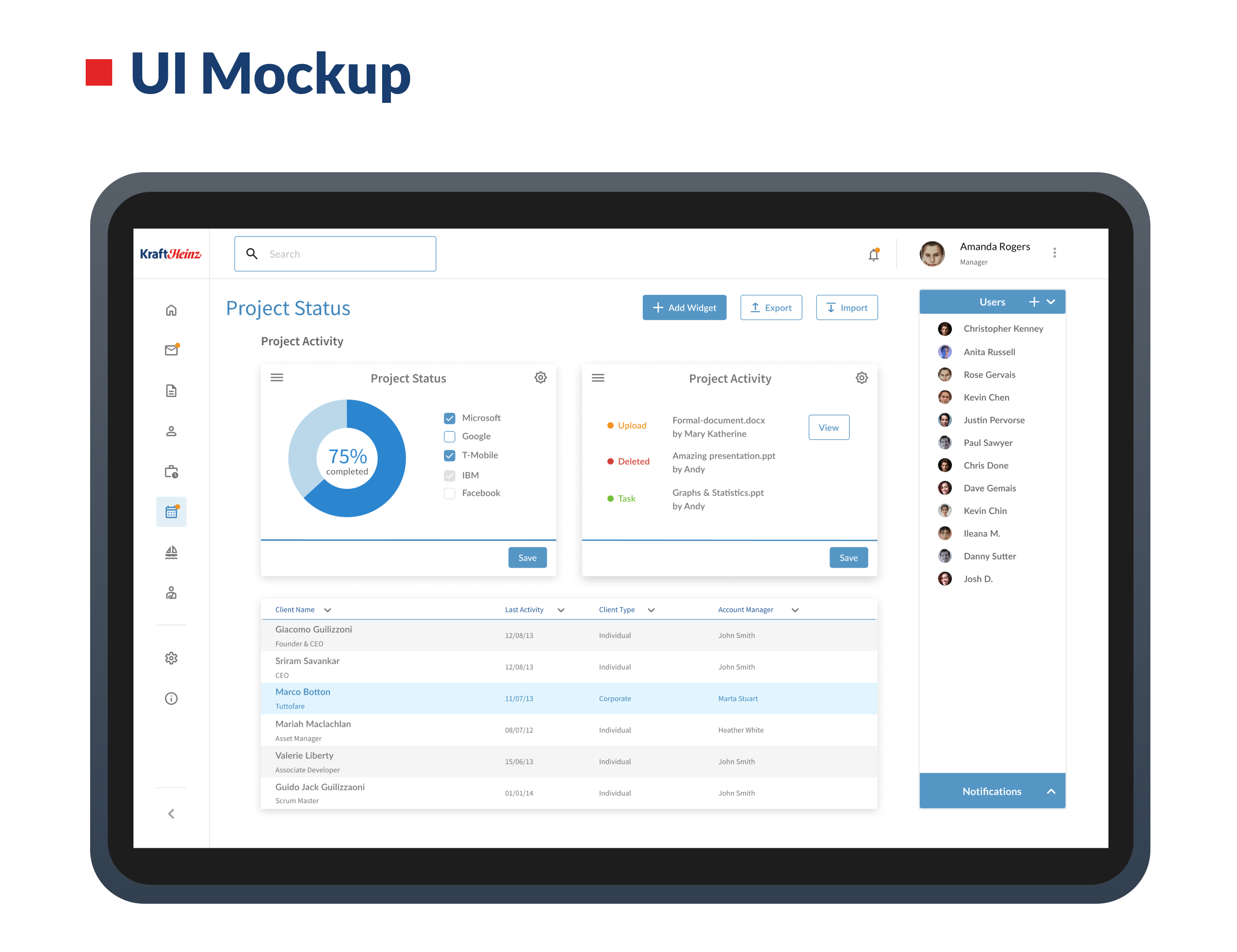
Fig: UI mockup with Design System
The implementation of a unified design system at Kraft Heinz including systematically designed components, resulted in approximately 30% reduction in development time and a 15% increase in user engagement based on comparative analysis before and after the implementation of the design system, using metrics such as time spent on development tasks, iteration cycles, and project completion times.